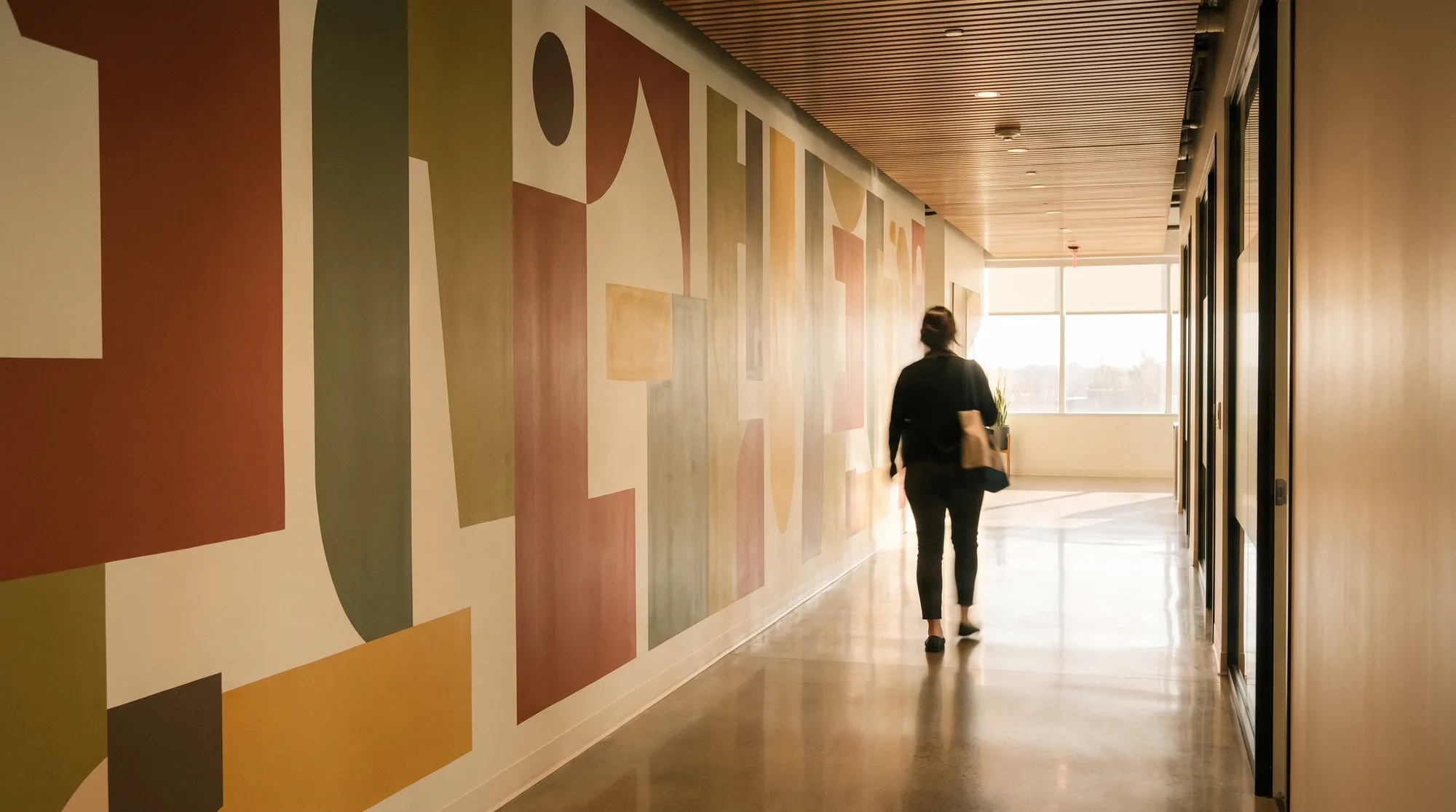
Supergraphics & wall graphics
Graphics at building scale
Scale changes what design has to do. At poster size, type is something you read, and at two stories it's something you stand in front of, behaving more like material than message. Get the scale right and a plain corridor becomes the building's landmark. Get it wrong and you've made expensive wallpaper.
We design at the size the graphic will be lived with, checked against viewing distance and the building's own geometry, then document it so it can be produced. It's the big-wall arm of our environmental & interior graphics work.
Viewing distance
Distance drives the composition: the read from across the atrium and the read from arm's length are both designed.
Seams and panel breaks
Planned in the layout, not discovered by the installer.
Substrate and surface prep
Specified, because concrete, drywall, and block each take media differently.
Color across media
Held so the painted wall and the vinyl accent both match the brand's ink.




Who we work with

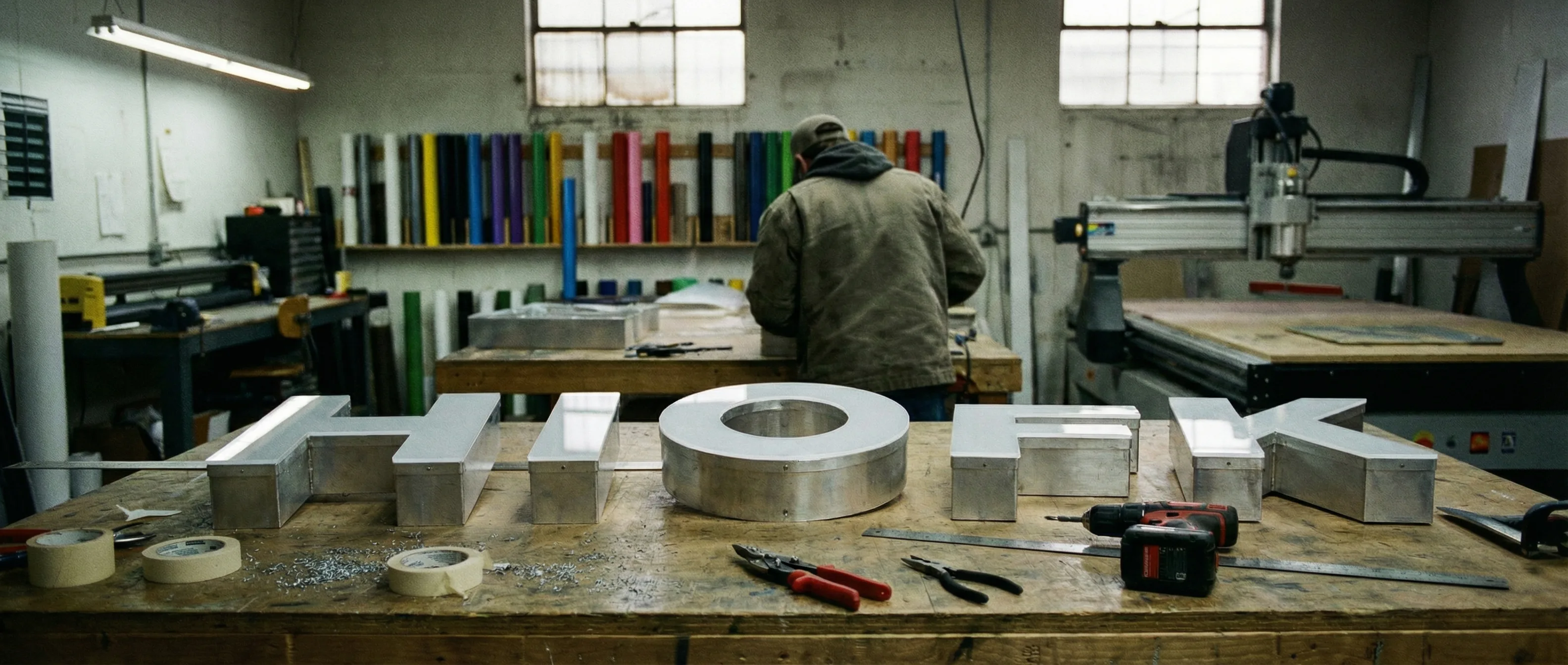
Sign companies
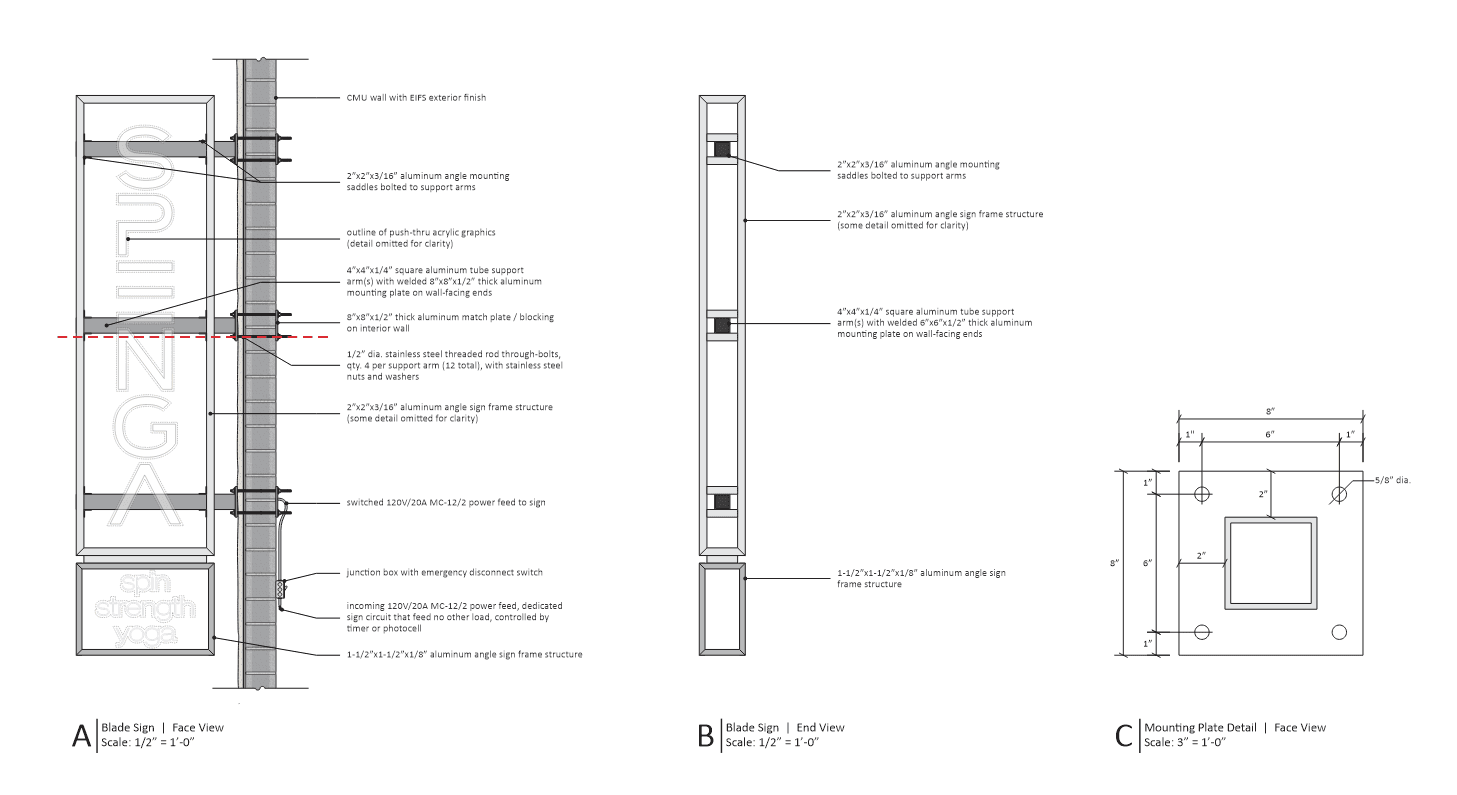
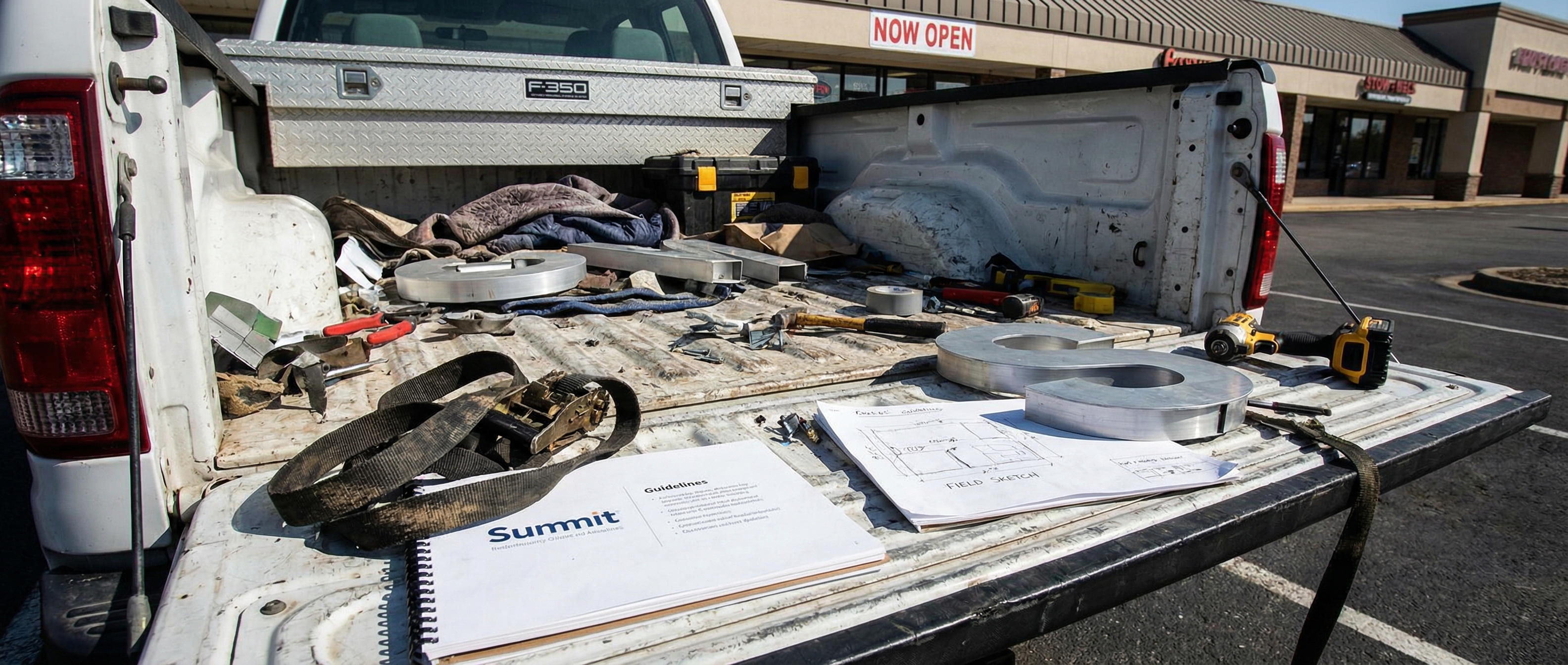
White-label design and drawings for busy shops. We draw, you fabricate, and your client never knows we were involved.

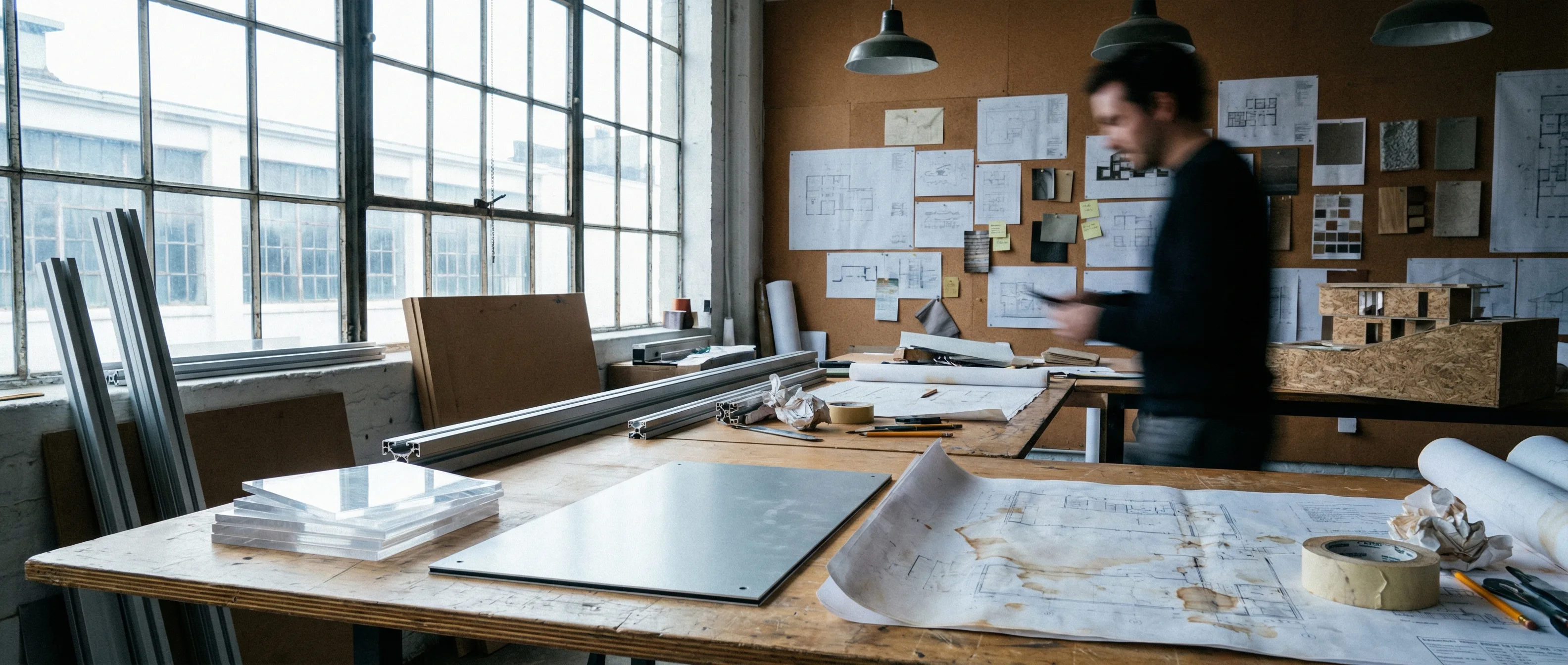
Architects & designers
Signage and wayfinding documented to sit inside your set, on your schedule, drawn to the standard your drawings hold.

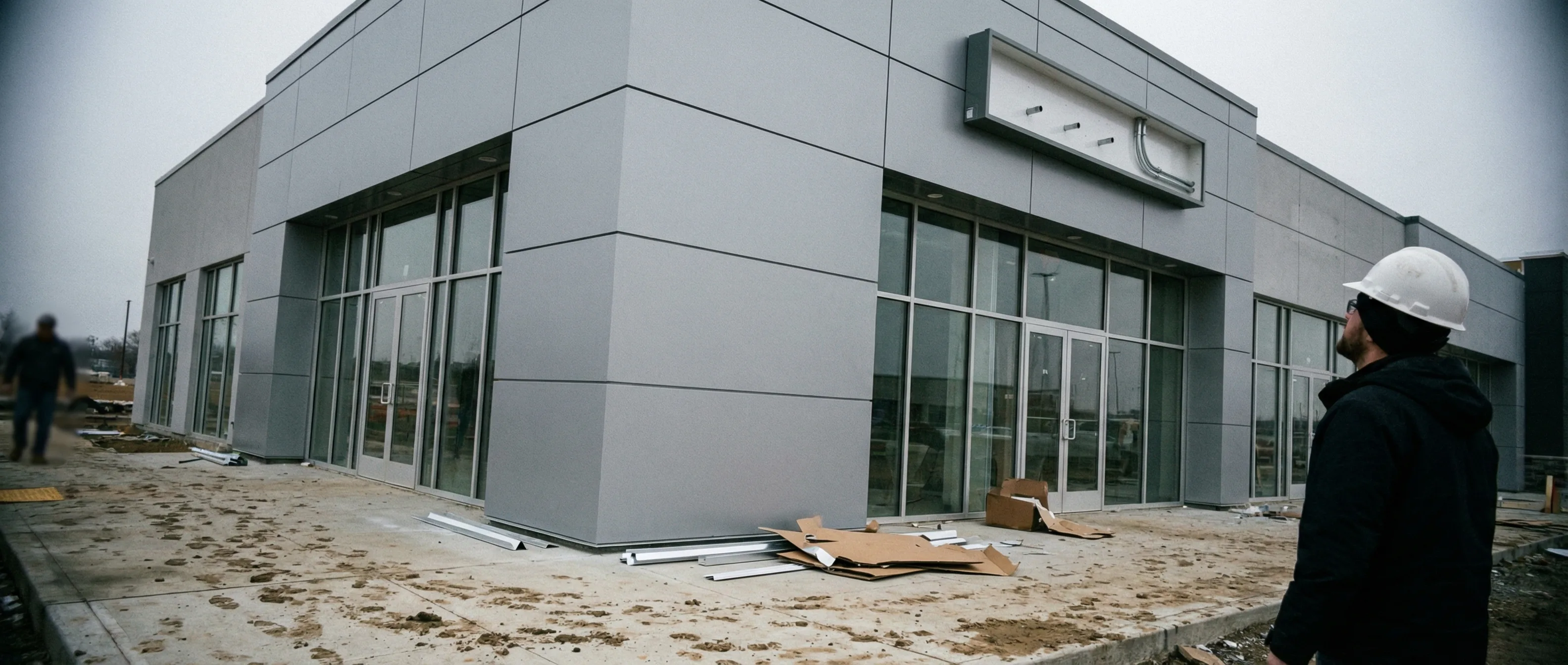
Facilities & property teams
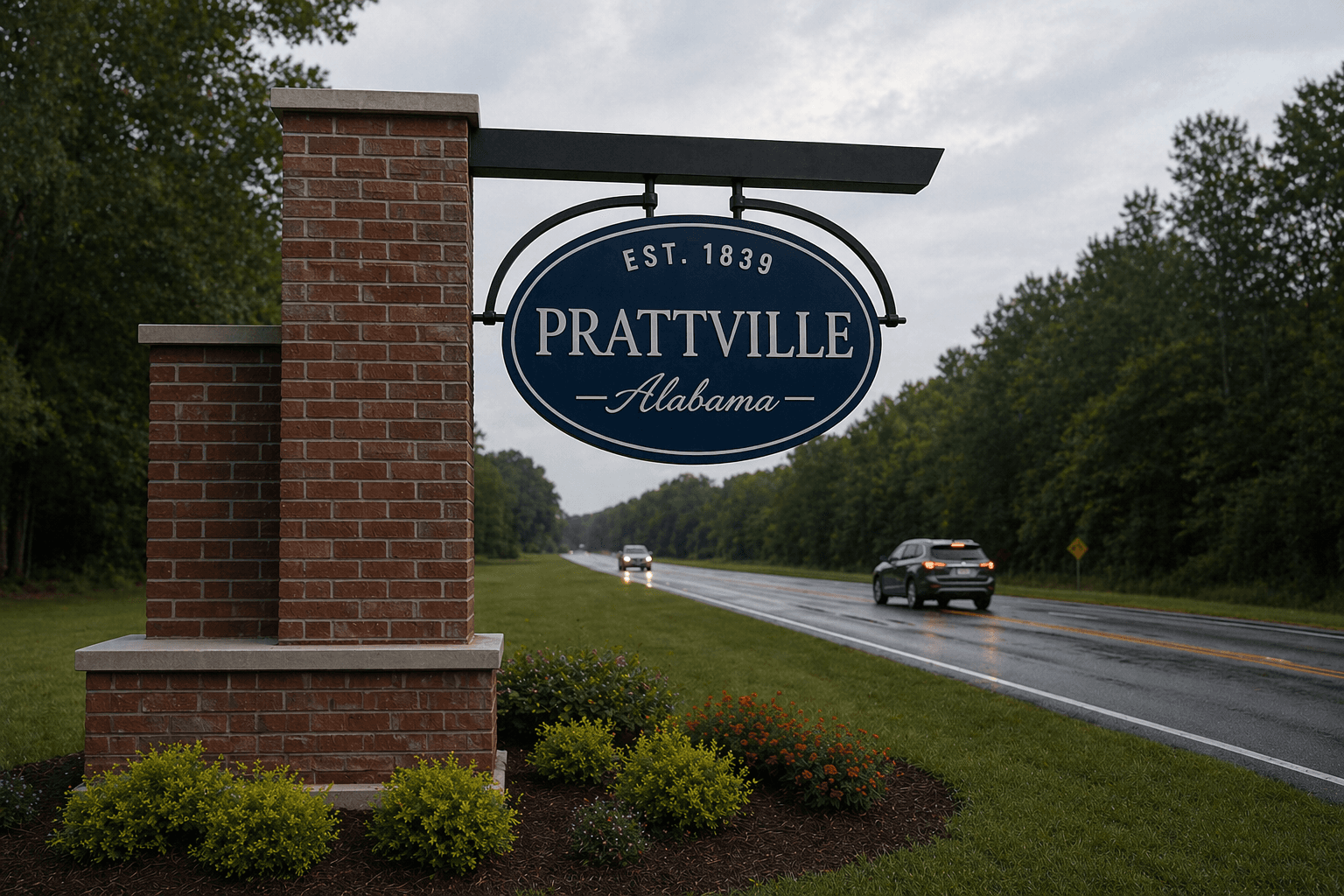
Wayfinding and sign standards for campuses, portfolios, and multi-building sites that have outgrown the signs they started with.

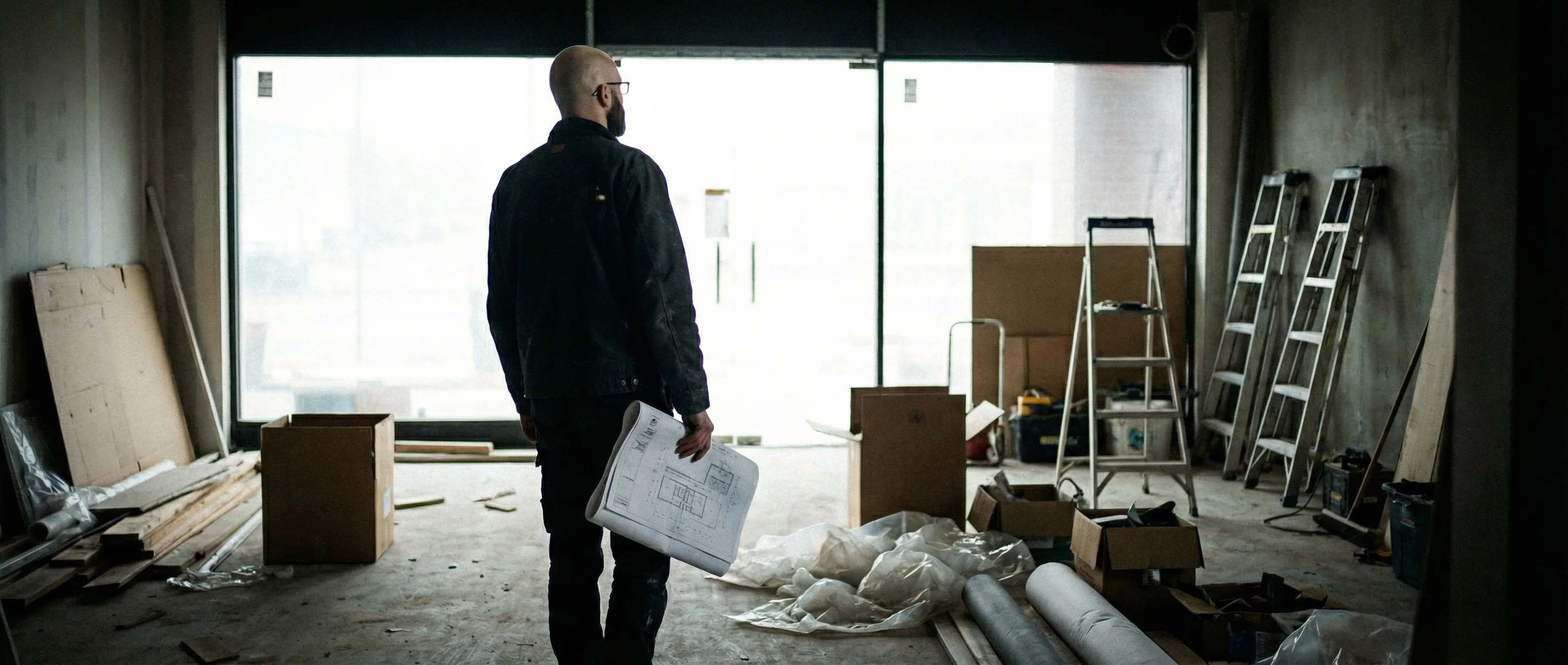
Brands & retailers
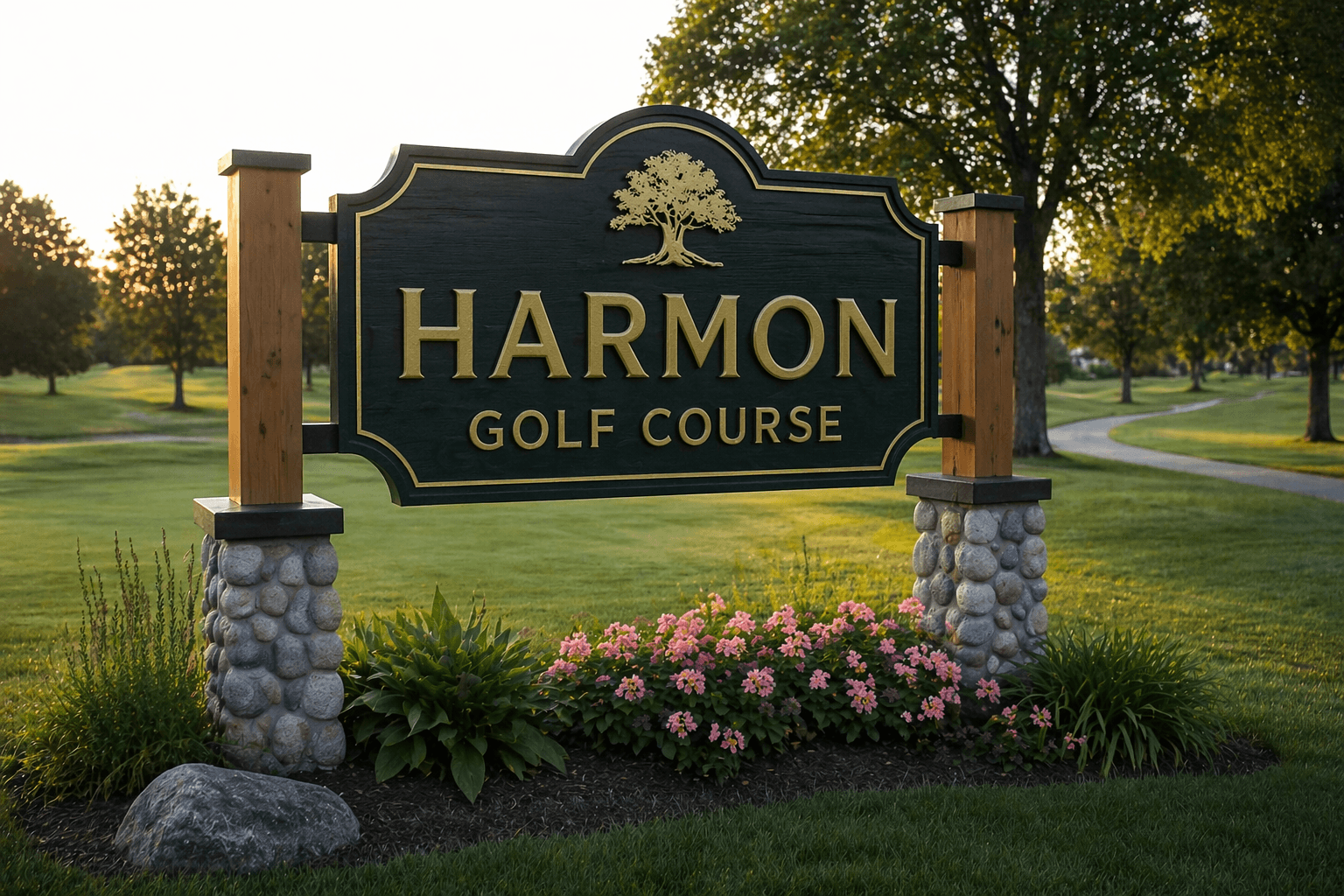
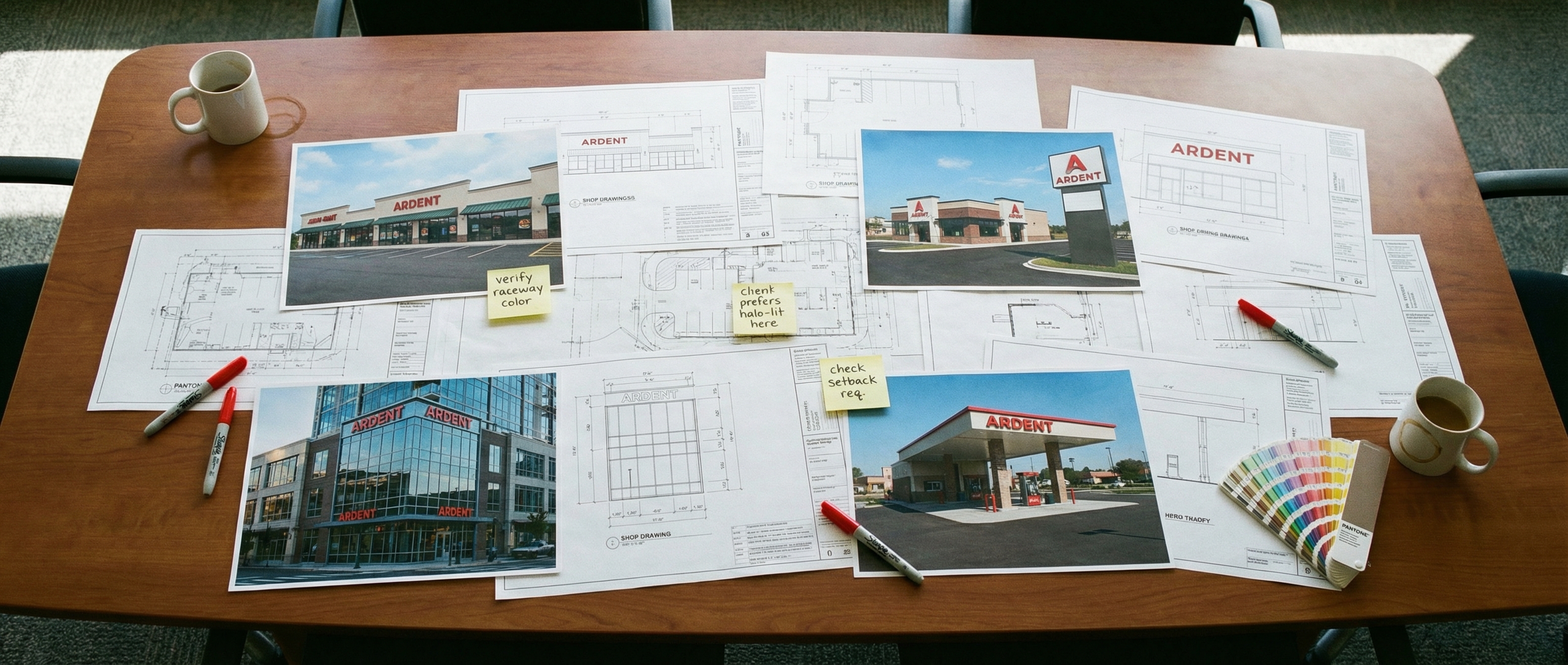
Sign programs that hold the brand across every location and bend to each local code, without ever losing the look you built.
Supergraphics, answered

Didn't find your question? Ask us directly — straight answers, no runaround.
- What's the difference between a supergraphic and a mural?
- A mural is artwork that happens to be on a wall, and a supergraphic is graphic design doing an architectural job: naming a floor, pacing a corridor, giving a stair core a reason to be photographed. The line blurs and nobody polices it, but the practical difference is that a supergraphic is designed from the building's geometry and the brand's system, not from a blank canvas.
- Paint, vinyl, or direct print?
- Paint is the most durable and the most alive on textured walls, and it costs the most labor. Vinyl is fast, sharp, and swappable, and it wants smooth walls. Direct print handles photographic imagery at sizes vinyl panels struggle with. We spec by the wall surface, the imagery, and how long the graphic needs to live, and the drawing says which so the bids agree.
- Can you work from our existing brand assets?
- Yes, and that's the normal case. The brand guide gives us the palette, type, and voice. Our job is translating assets built for screens and letterheads to a surface forty feet long, which usually means redrawing rather than enlarging. A logo blown up 4,000 percent tells on itself.
- What does a supergraphic cost per wall?
- Installed, most single-wall graphics run from about $2,000 for straightforward vinyl to $15,000 and up for painted or printed work at real scale, driven by square footage, surface prep, and lift access. The design and documentation are a fraction of that, and they keep those decisions off the ladder.
Read more
Good signage
starts with a conversation.
Every project is different. Let’s talk about yours.