Sign variance presentations
When the code says no
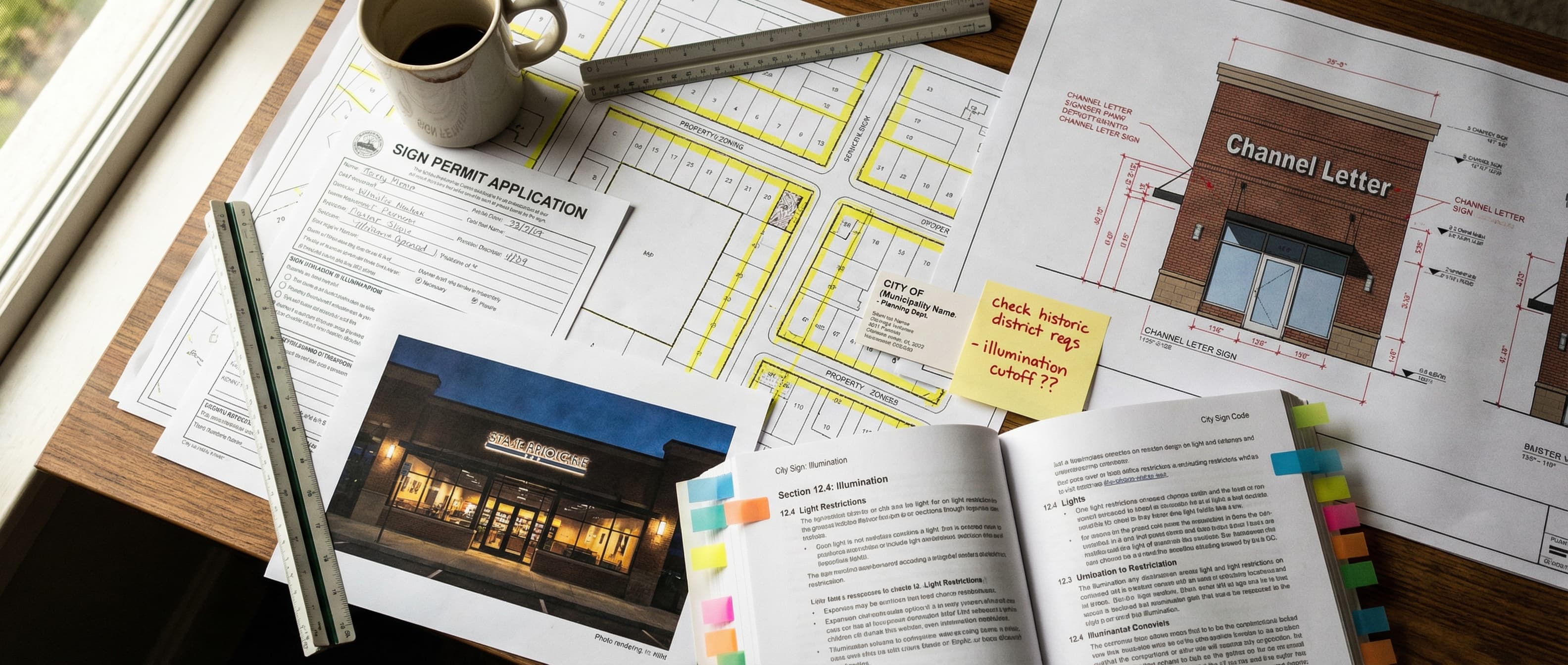
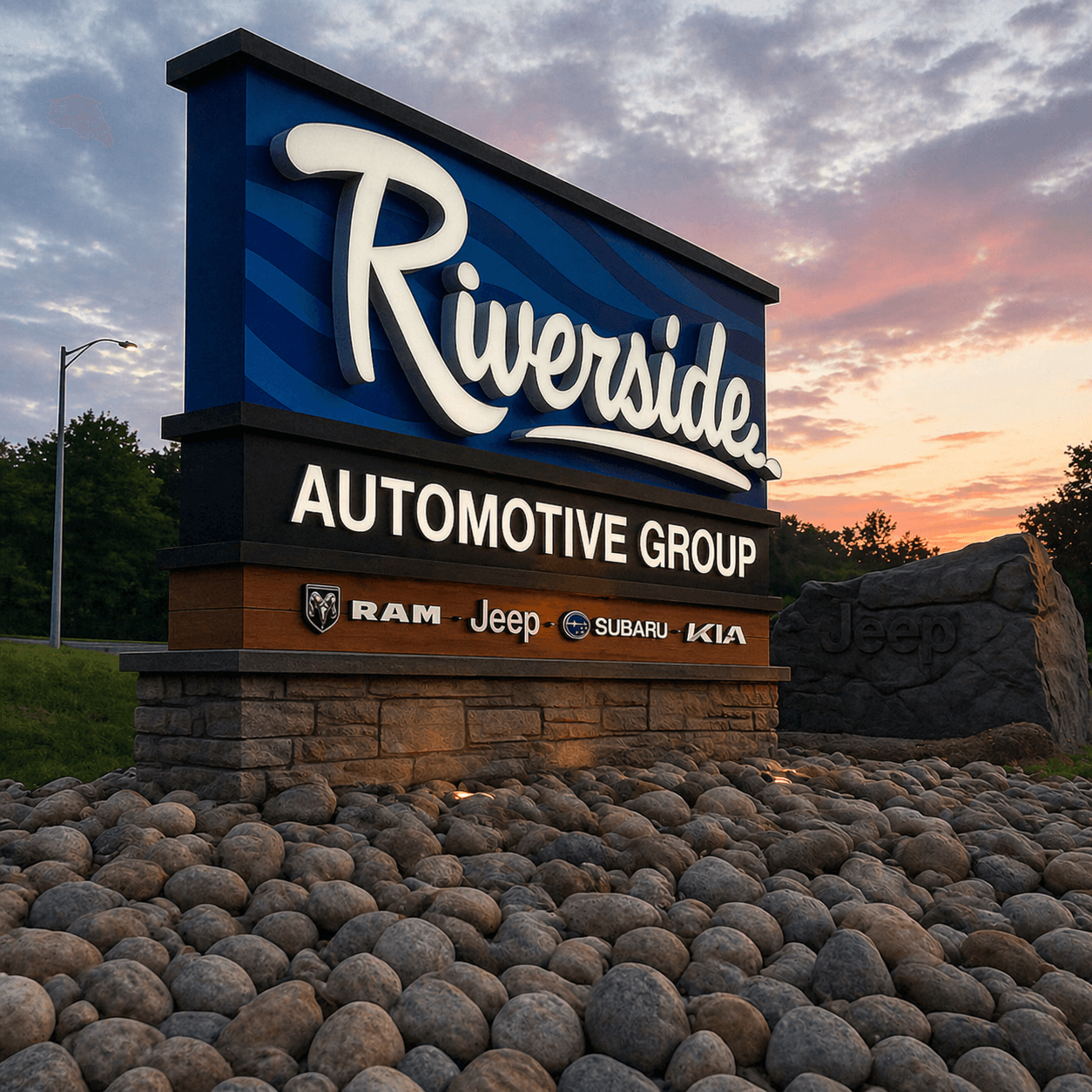
Sometimes the code and the site genuinely disagree. The building sits four hundred feet off the road behind a berm, and the code offers a sign sized for a storefront on Main Street. The business case for more sign is real, and the path to it runs through a public hearing decided by what the board is shown.
That's an exhibits problem, and exhibits are drawings, which is our trade. We build the package that makes the decision easy. It's the advocacy arm of our signage documentation work.
Renderings
Photo-accurate views of the proposed sign from the vantage points the board will ask about.
Scaled comparison sheets
Proposed against allowed against existing, drawn to one scale so the ask is measurable.
Context and hardship support
Site photography, sightline diagrams, and the measured conditions your attorney's findings lean on.
The presentation itself
A board-ready deck or boards, ordered to answer the predictable questions before they're asked.





Who we work with

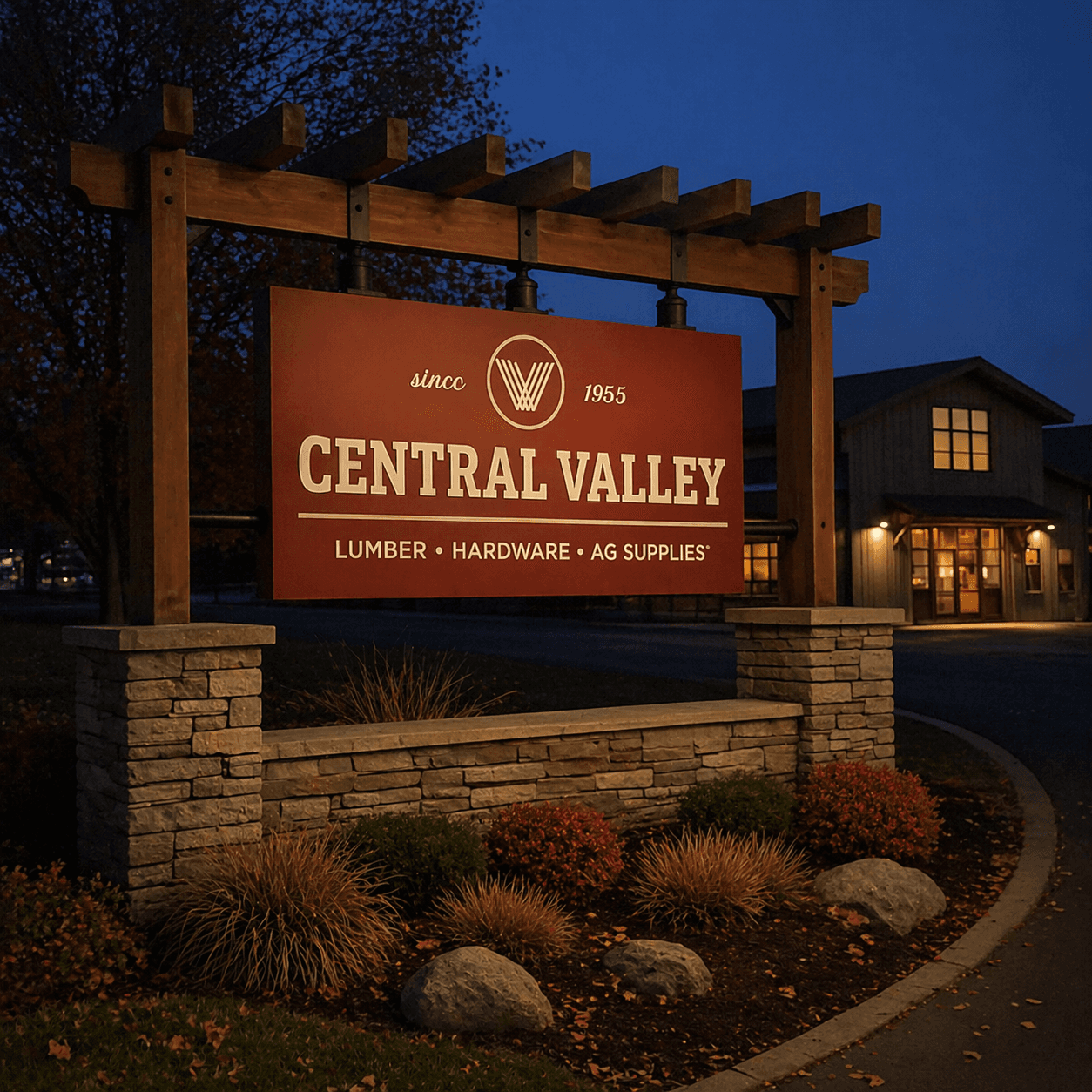
Sign companies
White-label design and drawings for busy shops. We draw, you fabricate, and your client never knows we were involved.

Architects & designers
Signage and wayfinding documented to sit inside your set, on your schedule, drawn to the standard your drawings hold.

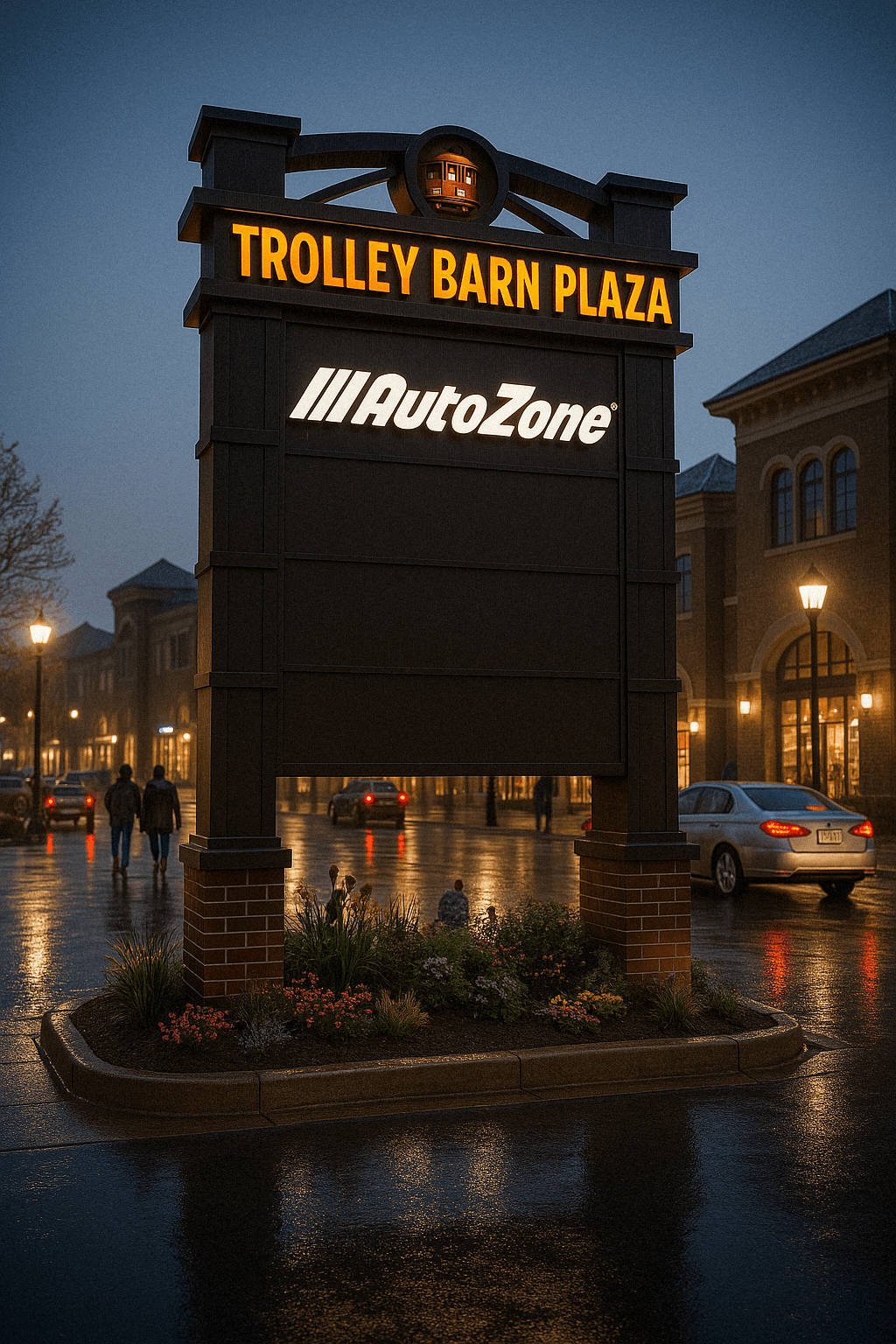
Facilities & property teams
Wayfinding and sign standards for campuses, portfolios, and multi-building sites that have outgrown the signs they started with.

Brands & retailers
Sign programs that hold the brand across every location and bend to each local code, without ever losing the look you built.
Variance presentations, answered
Didn't find your question? Ask us directly — straight answers, no runaround.
- Why do sign variances fail?
- Usually on the exhibits, not the merits. A board looking at a fuzzy photoshop and a big ask assumes the worst, because that's their job. Boards say yes when they can see exactly what they're approving, at true scale, next to what the code would allow. Precision reads as good faith.
- Do we need a lawyer or expediter too?
- Sometimes, and we work well beside them. The legal argument (the hardship, the findings the ordinance requires) belongs to your attorney or consultant, and the visual case belongs to us. On smaller variances the applicant often presents our exhibits themselves, and on contested ones the exhibits are what the attorney stands next to.
- Do you attend the hearing?
- When it helps, yes. Boards ask visual questions (how tall is that really, what would it look like from the intersection) and having the person who drew the exhibits in the room turns those from stumbles into answers. We prep the presenter either way.
- How long does a variance take?
- Application to decision typically runs one to three months, driven by the hearing calendar and notice requirements more than by the work itself. The exhibits take us a couple of weeks once the sign design is settled, so the calendar, not the drawings, is usually the critical path.
Read more
Good signage
starts with a conversation.
Every project is different. Let’s talk about yours.