
Permit nightmares and how design prevents them
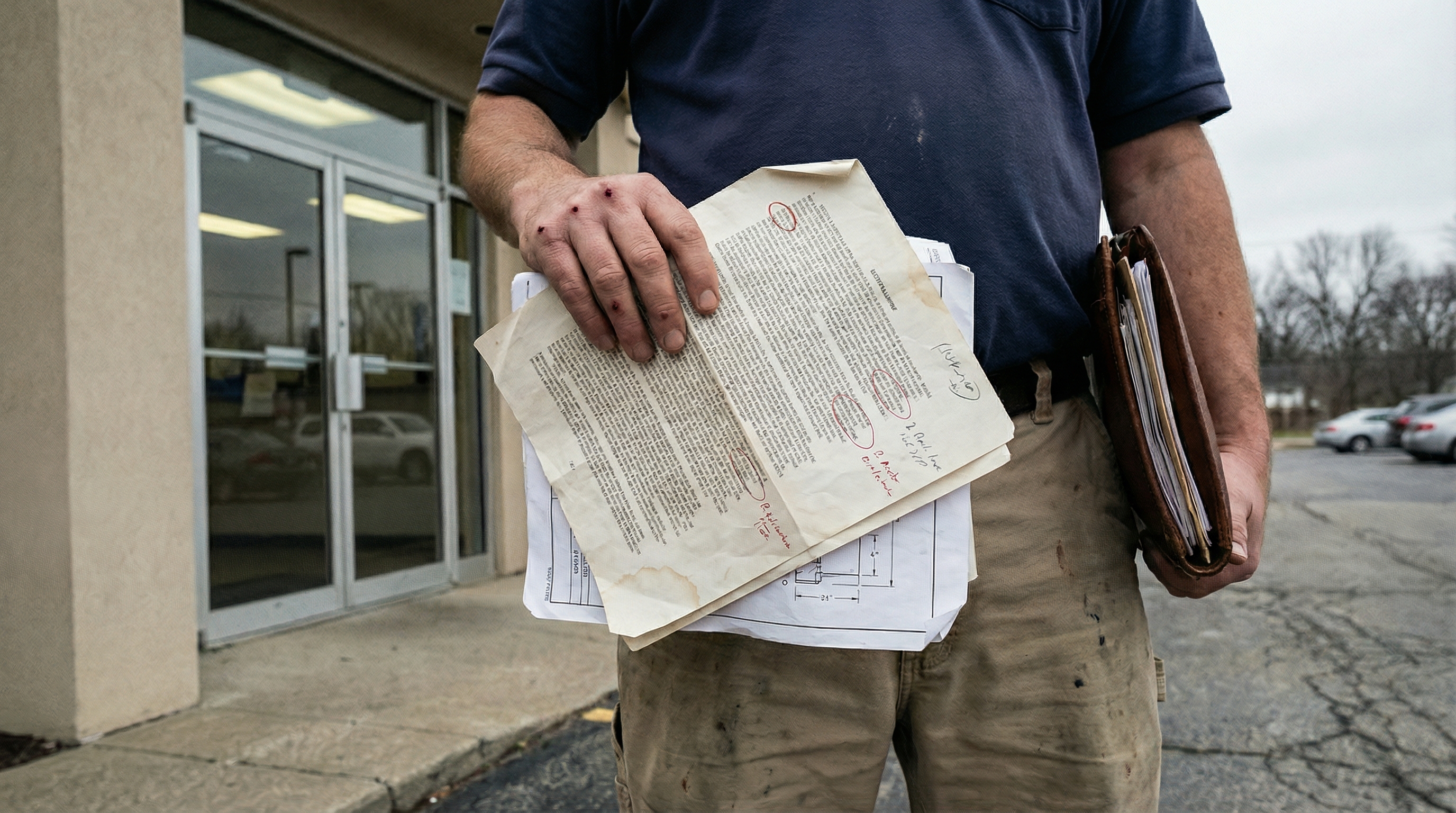
You walk into the permit office with confidence. Your design looks great, the customer loves it, fabrication is ready to go. The project timeline is tight but manageable, and everyone's excited about the grand opening in six weeks. Thirty minutes later, you walk out with a rejection notice and a sick feeling in your stomach.
You walk into the permit office with confidence. Your design looks great, the customer loves it, fabrication is ready to go. The project timeline is tight but manageable, and everyone's excited about the grand opening in six weeks.
Thirty minutes later, you walk out with a rejection notice and a sick feeling in your stomach. The permit clerk has circled three different violations you never saw coming: "Exceeds maximum allowable square footage for C-2 zoning," "Illumination levels not specified for residential adjacency," and "Requires architectural review board approval."
Now you get to make the phone call no shop owner wants to make. You get to explain to your customer why their grand opening timeline just moved back six weeks, why there are going to be additional design costs, and why you didn't catch these issues before taking their deposit.
Permit rejections aren't random bureaucratic torture. Ninety percent of them are predictable, and preventable, if the code research happens before the design does.
The Common Permit Killers
Size and Setback Violations
This is the big one. Every municipality has zoning codes that specify maximum sign areas by district type, setback requirements from property lines and rights-of-way, height restrictions that vary by location and use type, and building coverage ratios that include signage in the calculation.
I've seen gorgeous monument signs rejected because they were three inches too tall. I've watched channel letter sets get denied because the designer calculated square footage wrong and exceeded the allowable area by twelve square feet. I've seen ground signs that had to be completely relocated because nobody checked the setback requirements from the adjacent residential property.
The prevention is simple but requires discipline: always start with zoning research, not aesthetics. Measure the actual available sign area before you design anything. Account for required setbacks in your placement planning. Check the building department records for any existing violations that might affect new signage.
Design within the regulatory box first, then make it beautiful. Not the other way around.
Illumination Restrictions
LED technology has created a whole new category of permit problems. Most jurisdictions now have specific brightness limits measured in nits or foot-candles. Many have hours of operation restrictions in areas adjacent to residential zones. There are color temperature limitations to prevent confusion with emergency vehicles. Most prohibit flashing, moving, or changing displays. And if you're working anywhere near an observatory or airport, dark sky ordinances can kill your entire lighting plan.
I watched a restaurant chain spend $50,000 redesigning their prototype because their LED system was too bright for the jurisdictions they were targeting. The original designer never researched local illumination codes before specifying the lighting.
The prevention: research local illumination codes before you specify anything. Design dimming capabilities into LED systems as standard practice. Avoid blue and red colors that might mimic emergency vehicles. Plan static designs in areas with animation restrictions. Include timer controls for hour-restricted locations.
Architectural Compatibility Requirements
Historic districts and planned developments can be permit nightmares because the approval standards are often subjective. I've seen signs rejected for "incompatible materials" when the designer specified aluminum composite on a brick building. I've watched architectural review boards reject perfectly code-compliant signs because they didn't "complement the neighborhood character."
These requirements can include material restrictions, color palette limitations, design style requirements that match building architecture, and even landscaping buffer requirements around ground signs.
The prevention requires homework: research architectural review board guidelines and meeting minutes. Study approved signs in the area to understand what passes muster. Choose materials that complement building finishes, not fight them. Design proportions that relate to building scale. Include landscaping plans for ground-mounted signs in areas where they're typically required.
Technical Code Violations
Large signs need structural engineering stamps. Illuminated signs need electrical code compliance. Wayfinding systems need ADA accessibility compliance. Ground signs need fire department access clearances. Large installations might trigger environmental impact assessments.
I've seen beautiful designs die because they required engineering that wasn't budgeted. I've watched electrical inspectors red-tag installations because the designer didn't understand local electrical code requirements.
The prevention: understand when engineering stamps are required and budget for them. Design electrical systems that meet local code from the start. Include ADA compliance in wayfinding design as standard practice. Check fire lane clearances for ground signs. Research environmental review triggers early in the design process.
The Pre-Design Research Process
Here's the research process:
Step 1: Code Research
Before I design anything, I research municipal zoning ordinances and sign codes, county regulations if the site is unincorporated, state highway department rules for roadway visibility, historic district or HOA design guidelines, and any special overlay district requirements.
Step 2: Site Analysis
I check utility line locations and required clearances, property line surveys and easements, existing landscape and structures that affect placement, traffic sight line requirements, and drainage or grading limitations.
Step 3: Precedent Study
I study approved signs in the immediate area, recent permit applications and their outcomes, architectural review board meeting minutes when available, rejected applications and the stated reasons, and successful appeals and modifications.
This teaches you the local permit office's interpretation of their own codes, which often differs from the written regulations.
Real-World Prevention Examples
The Medical Campus Success: A complex healthcare facility project had ADA requirements, fire code compliance needs, and historic district approval requirements, three different regulatory layers. I spent three weeks researching codes before creating the first concept. Result: first-pass permit approval despite the complicated regulations.
The Retail Chain Disaster Avoided: A 50-location rollout across multiple states and jurisdictions required understanding code variations in dozens of different markets. I spent two months doing state-by-state code analysis before developing design templates. Result: 48 of 50 locations approved on first submittal.
The Restaurant Recovery: A previous designer had created an unpermittable design, and the grand opening was eight weeks away. I spent two days in direct communication with the permit office, understanding exactly what they needed to see. Result: completely redesigned and approved in ten days.
The Cost-Benefit Analysis
The time investment upfront breaks down like this: code research, site analysis, and precedent study takes 2-3 hours combined on an average exterior signage package.
Compare that to revision time: the average permit rejection requires 4-5 hours of revision time on that same job. Multiple rejections can require 10-15+ hours. And customer damage control adds another 5-10 hours of unproductive time on your end.
An hour of research prevents ten hours of revision, and that's before you count the reputation damage or the stress of explaining the failure.
The Professional Advantage
The research habit compounds. Every project teaches you another jurisdiction's patterns, and after enough of them you start catching problems in the first sketch.
And clients notice. When you never get permit rejections, customers start to trust your timelines.
The sign industry has enough real challenges without creating artificial ones. Permit problems are preventable. What separates the shops that never make that phone call from the shops that make it every quarter is the homework, not the talent.
Keep reading
Why Sign Fabricators and Architects Don't Always Speak the Same Language
"Provide illuminated signage per elevation drawings." I've read that line on hundreds of CD sets. And every time, it kicks off the same cycle: the sign company bids on what they think it means, the architect expects something different, an RFI gets filed, and two weeks evaporate while everyone clarifies terms that both sides thought were already clear.

When to start signage (earlier than you think)
"We'll deal with the sign later." We hear this constantly. Usually about three weeks before a planned grand opening, deep in the chaos of a buildout, burning cash on rent for a space that isn't making money yet.
Good signage
starts with a conversation.
Every project is different. Let’s talk about yours.