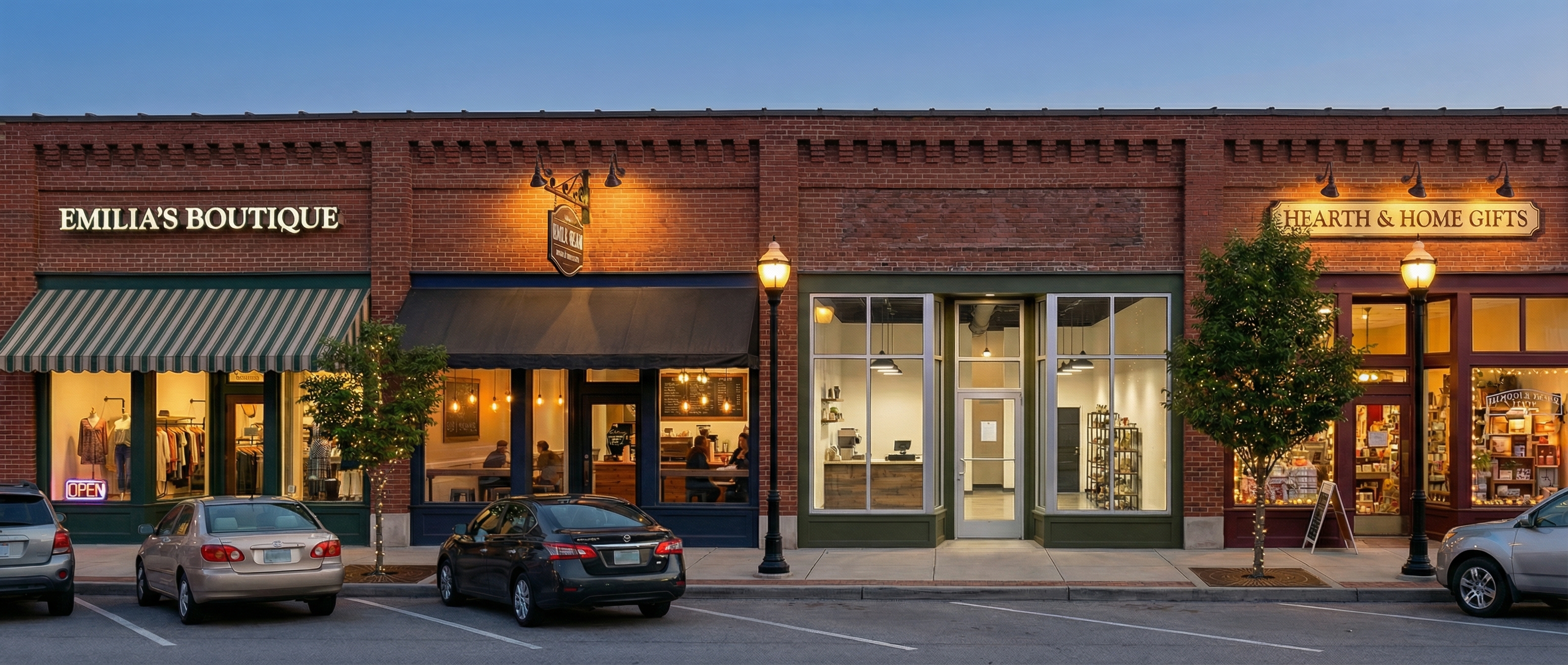
When to start signage (earlier than you think)
"We'll deal with the sign later." We hear this constantly. Usually about three weeks before a planned grand opening, deep in the chaos of a buildout, burning cash on rent for a space that isn't making money yet.
THE LAST THING ON THE LIST
"We'll deal with the sign later."
We hear this constantly. Usually about three weeks before a planned grand opening, deep in the chaos of a buildout, burning cash on rent for a space that isn't making money yet. They've got a contractor, an architect, a POS system, the staff is half-trained. But the sign? That's just a thing that goes on the building at the end. Pick a design, someone hits print, someone else puts it up, done.
Honestly why would anyone think otherwise? Nobody tells you... Your realtor didn't mention it. Your contractor doesn't think about it. Your architect specced a sign band on the elevation drawing and moved on. The sign just sort of shows up in everyone's mental timeline as a punch-list item, somewhere between "hang the art" and "stock the bathroom."
The reality is your sign has its own parallel timeline that's roughly as long as your entire buildout, sometimes longer, and if it doesn't start running at basically the same time as construction, you're going to open dark. No sign, no visibility, just a blank storefront with a piece of printer paper taped to the door that says "NOW OPEN."
We've watched this happen hundreds of times. It doesn't have to go this way.
THE ACTUAL TIMELINE
Here's what happens between "I want a sign" and a sign being lit up on your building. This is the sequence that plays out on virtually every commercial sign project, give or take how fast or slow your municipality moves.
Design runs 1 to 3 weeks. A good sign company needs your brand info, building dimensions, landlord criteria, local code, and budget before they start sketching. Franchise? Add corporate brand approval on top of that.
Landlord approval can run as long as 2 to 4 weeks, especially if they request design changes. If you're in a multi-tenant property, your landlord almost certainly has a sign criteria document buried in your lease addendum. Size, placement, materials, illumination, sometimes even lettering style will already be called out. They have to approve your design before you can even apply for a permit (some landlords are not known for speed). Most tenants don't even know this step exists until we tell them, because the signage clause was on page 47 of their lease, and it's hard to blame them for that.
Permitting then runs 2 to 12 weeks. This is the one that kills timelines. Two weeks in a business-friendly Texas town. Three months or more in LA, Chicago, or any historic district anywhere. The application needs detailed drawings, sometimes structural engineering, sometimes a separate electrical permit. If your sign doesn't comply with code, and you won't know until someone who knows the code actually checks, you might need a variance, which means a hearing, which means months. And most cities won't issue a sign permit until you have a valid business license and certificate of occupancy. So if your buildout isn't done, your sign permit is in a holding pattern regardless.
Fabrication runs 2 to 6 weeks. Channel letters typically take four to six weeks after permit approval. Monument signs can take six to twelve. Simpler stuff like flat-cut letters or panels might be two to three. But none of this starts until the permit is in hand.
Installation runs 1 to 2 weeks. Crew scheduling, lifts or cranes, electrical, mounting, final inspection. Weather happens. Conflicts happen.
Add it up. Minimum 8 weeks for a simple sign in a fast jurisdiction. Easily 16 to 24 weeks for anything involving a slow permit office, a picky landlord, a monument sign, or a historic district. That's four to six months for a sign.
Now compare that to your buildout. A standard retail or office space takes 8 to 16 weeks of construction, plus 6 to 8 weeks of permit review before that. Total timeline from lease to doors open: roughly 14 to 28 weeks. The signage timeline runs parallel with that, not after it. If you wait until construction is underway to think about your sign, you've already lost the race.
THE LEASE IS THE STARTING GUN
Your sign process should start the day you sign the lease. Ideally before that, during lease negotiations, because the signage provisions in your lease directly affect what you can have, where it goes, and how much flexibility you get.
Things worth pushing for during lease negotiation: get the landlord's sign criteria document before you sign, not after. Make sure the lease specifies your right to exterior signage including type and general size. Negotiate "coming soon" signage rights so you can build awareness during buildout. Try to get a sign concept pre-approved as a lease exhibit so you skip a separate approval cycle later. Ask about existing sign infrastructure, whether there's electrical already run to the sign location, whether there's a raceway or mounting from the previous tenant.
Every one of those saves time on the back end. And time, during a buildout, is rent on a space that isn't making money.
FRANCHISEES HAVE IT WORSE
If you're opening a franchise location, everything above gets an extra layer. Your franchisor has exact specs for signage, colors, materials, dimensions, placement, and they're contractual, not suggestions. They have to approve your design before you submit to the landlord, who approves before you submit to the city.
Three layers of approval before fabrication starts.
Most franchise agreements include a mandatory opening date. Miss it and you're in breach. We've seen franchisees scramble to open with no sign because they started the process six weeks out and permitting ate all of it. They open with a vinyl banner, if the city even allows temporary banners without a separate permit, which many don't.
The smart franchisees start the signage conversation the moment they have a confirmed location. Some pull sign code during site selection before they commit. That's the right instinct. The sign code at a given address can determine whether you can even have the type of sign your brand requires. Finding out after you've signed a five-year lease that your location prohibits illuminated signs or caps you at 20 square feet is a disaster that could've been avoided with one phone call.
WHAT HAPPENS WHEN YOU WAIT
You open without a sign. Buildout done, staff trained, inventory stocked, storefront invisible. Paying rent on a space people drive past without noticing. Every day open without a sign is money gone. Not just lost walk-in traffic, but the compounding effect of not building recognition from day one.
You rush and get a worse sign. Compressed timelines mean less design time, which means something generic. Or you skip code research, submit for a sign that gets rejected, and you're back at square one with less time. Rush fab charges are real too, 20 to 50 percent premium to bump the queue.
You put up an unpermitted sign and get fined. Code enforcement doesn't share your optimism about dealing with the paperwork later. Fines start around $100 per day, and the sign comes down until the permit clears, which now takes longer because you've flagged yourself.
You blow your franchise opening deadline. Franchisors don't care that the city was slow. Your agreement has a date. The consequences range from penalties to losing the franchise entirely. We've seen operators lose their whole investment over a timeline that 60 extra days of planning would've fixed.
THE WHOLE STRATEGY IN ONE LINE
Start your sign process the day you sign your lease. That's it. Your sign company should be one of the first calls you make, same week as your architect and your GC. They're running parallel tracks, not sequential ones.
Keep reading
On Throwing Things Away
Confession time: there's a greater than zero chance I'm a hoarder. Every scrap bin, every shelf, every drawer stuffed with leftover vinyl and orphaned hardware is a decision I'm avoiding.
Fifty Things I've Learned in Thirty Years (That Nobody Taught Me)
Thirty years of making, fixing, explaining, and occasionally losing sleep over signs. These are the things I had to learn the hard way. Some of them cost me money, some cost me time, a few of them cost me relationships.
Why Sign Fabricators and Architects Don't Always Speak the Same Language
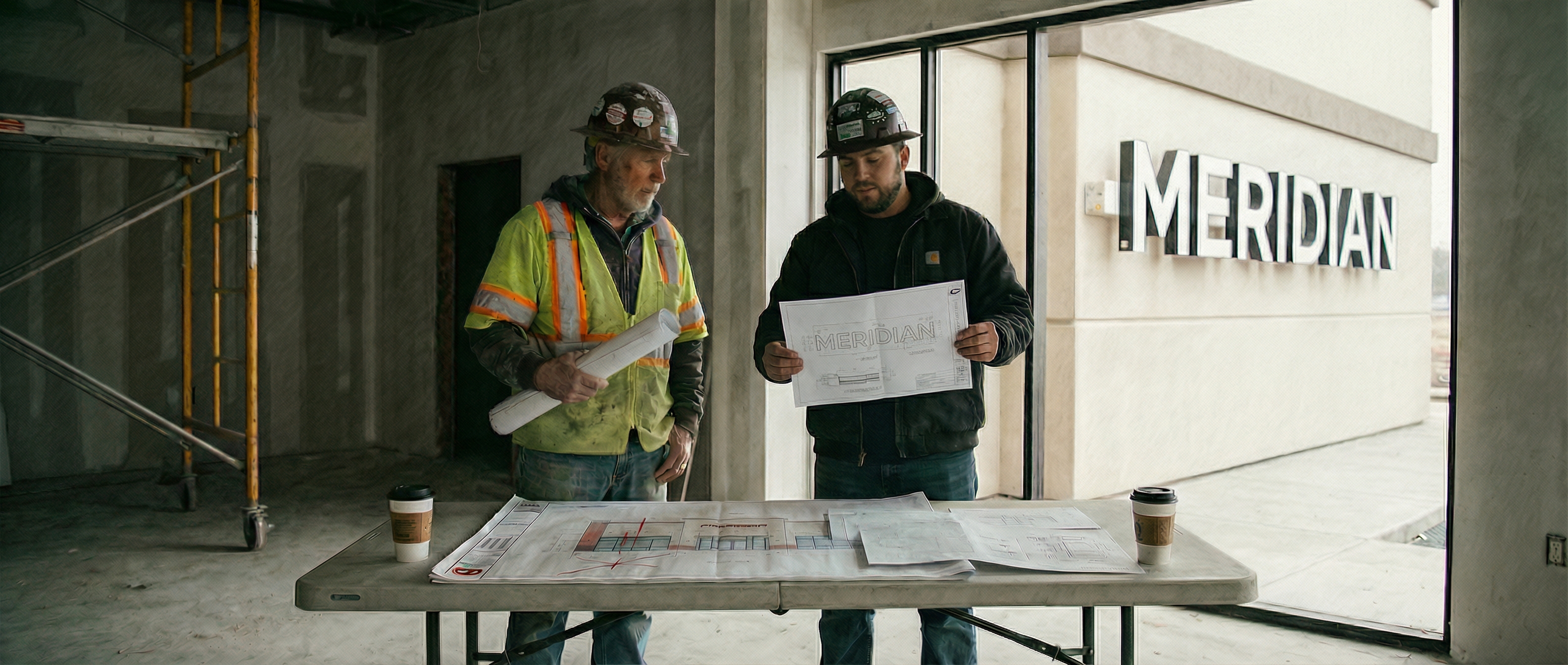
"Provide illuminated signage per elevation drawings." I've read that line on hundreds of CD sets. And every time, it kicks off the same cycle: the sign company bids on what they think it means, the architect expects something different, an RFI gets filed, and two weeks evaporate while everyone clarifies terms that both sides thought were already clear.
Good signage
starts with a conversation.
Every project is different. Let’s talk about yours.